


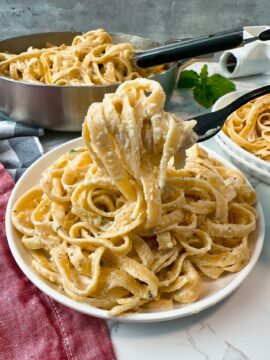
Fettuccine Alfredo
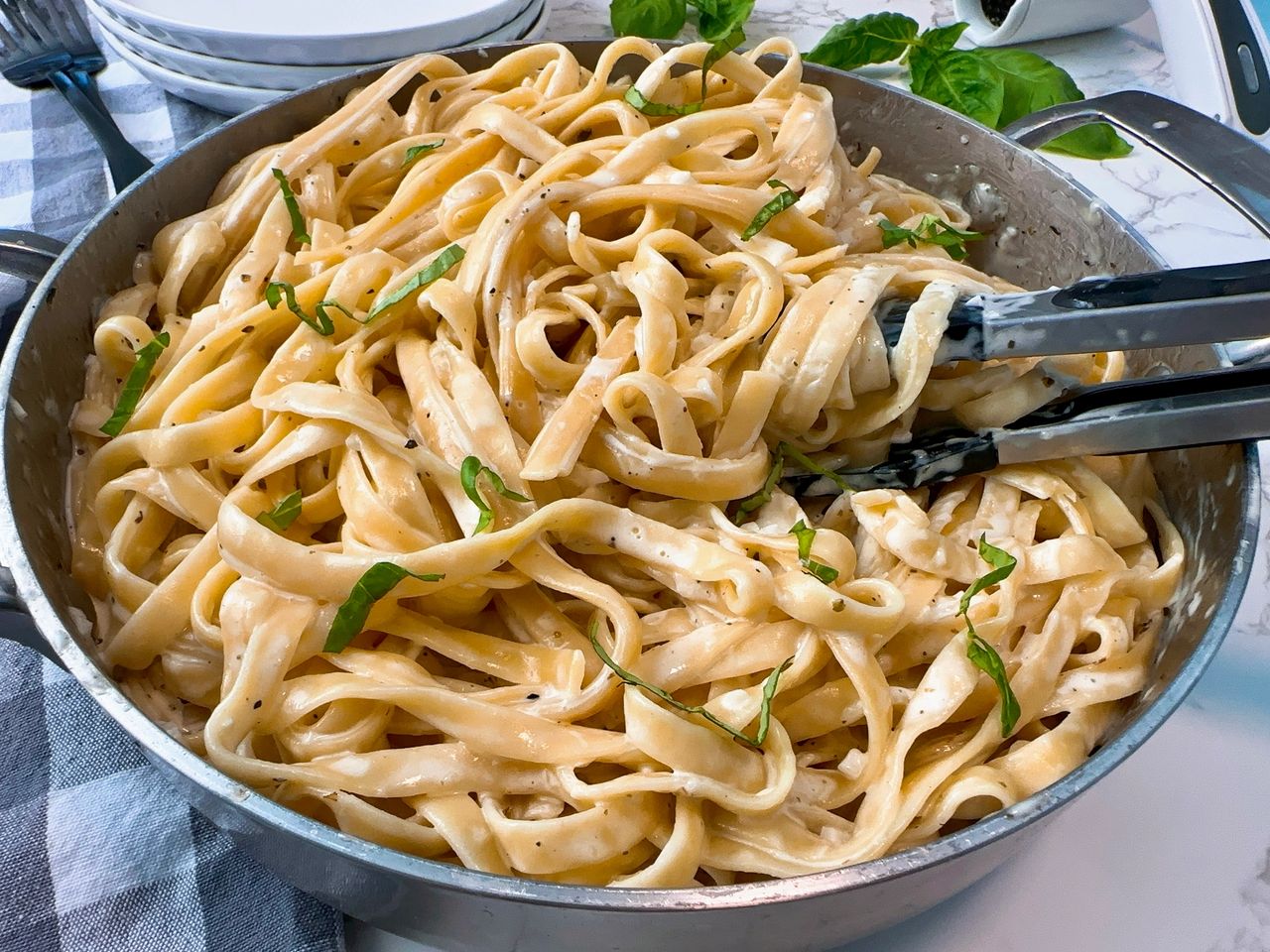
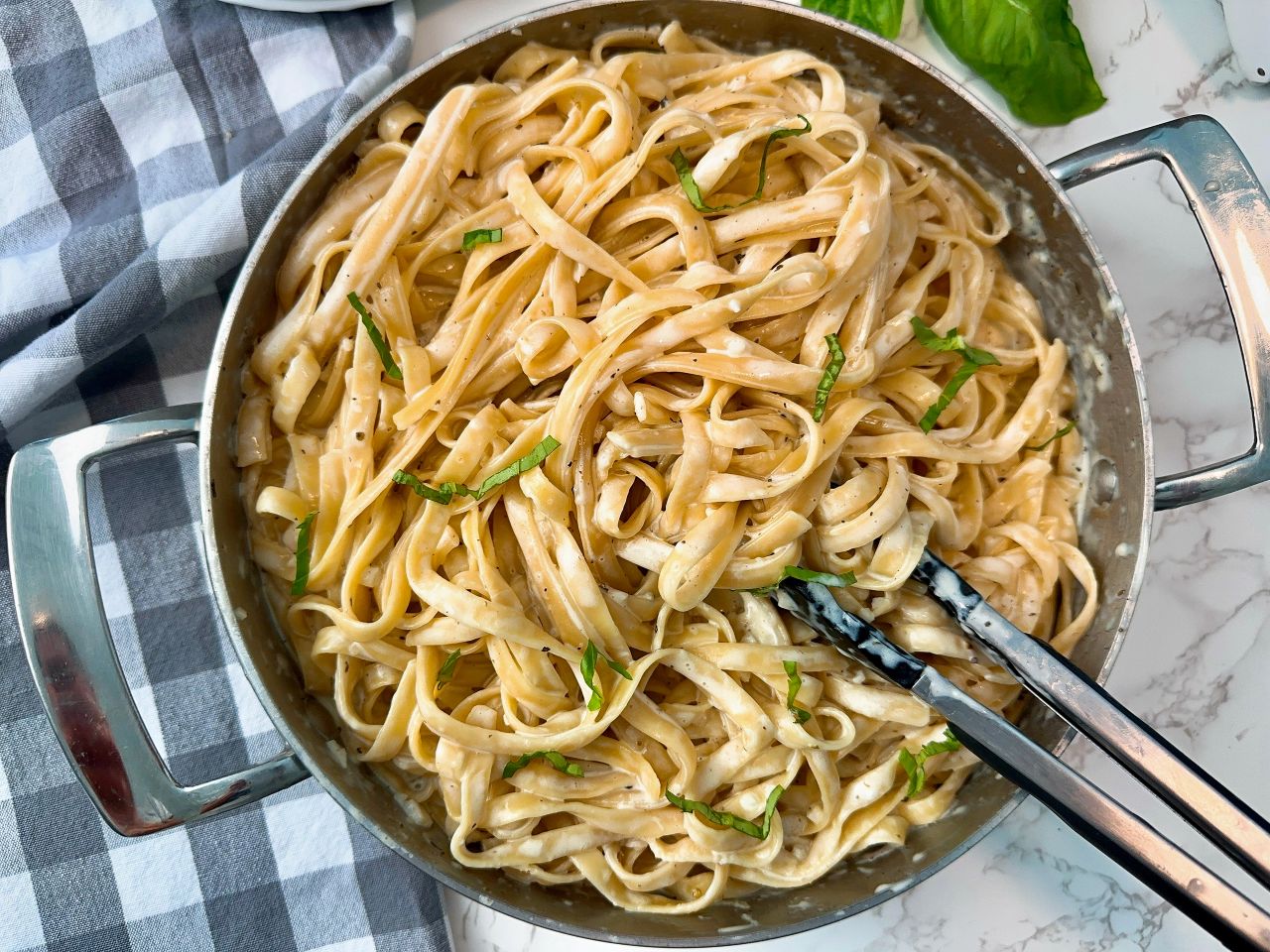
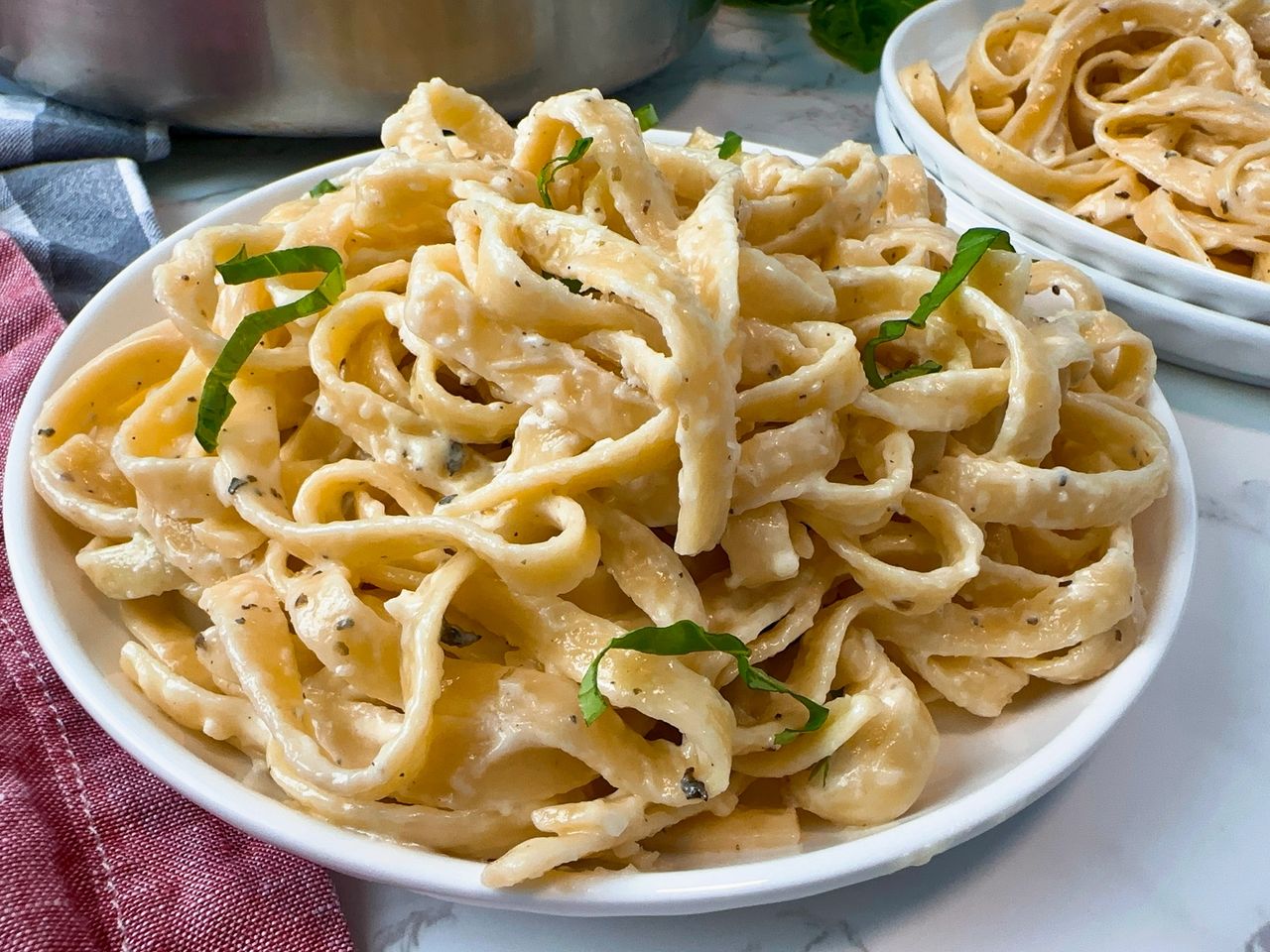
Creamy, rich, and loaded with garlic and parmesan cheese, there’s nothing quite like Alfredo sauce. When tossed with long strands of tender fettuccine, a definitive Italian pasta meal is born. Fettuccine Alfredo is unquestionably treasured, so it’s no surprise you can find it on most Italian restaurant menus. But you don’t need to venture out to enjoy this sumptuous meal; Alfredo sauce is made with a handful of ingredients, and the entire meal makes it to the table in just minutes.
This recipe was written for the Arizona Republic.
Origin of Fettuccine Alfredo. In 1908, Italian restaurateur Alfredo di Lelio, crafted a pasta dish for his wife that boasted heaps of butter and parmesan cheese. But this was more than an easy weeknight meal, di Lelio’s wife lost her appetite after giving birth to their first son, so Alfredo’s goal was to excite her palate. Aptly named “fettuccine al triplo burro”, the dish was not only enjoyed by his wife, but by many patrons of his Roman restaurant. The iconic dish was later dubbed “fettuccine all’Alfredo”, or “fettuccine Alfredo”. Currently, the dish is so revered, National Fettuccine Alfredo Day is celebrated annually on February 7th.
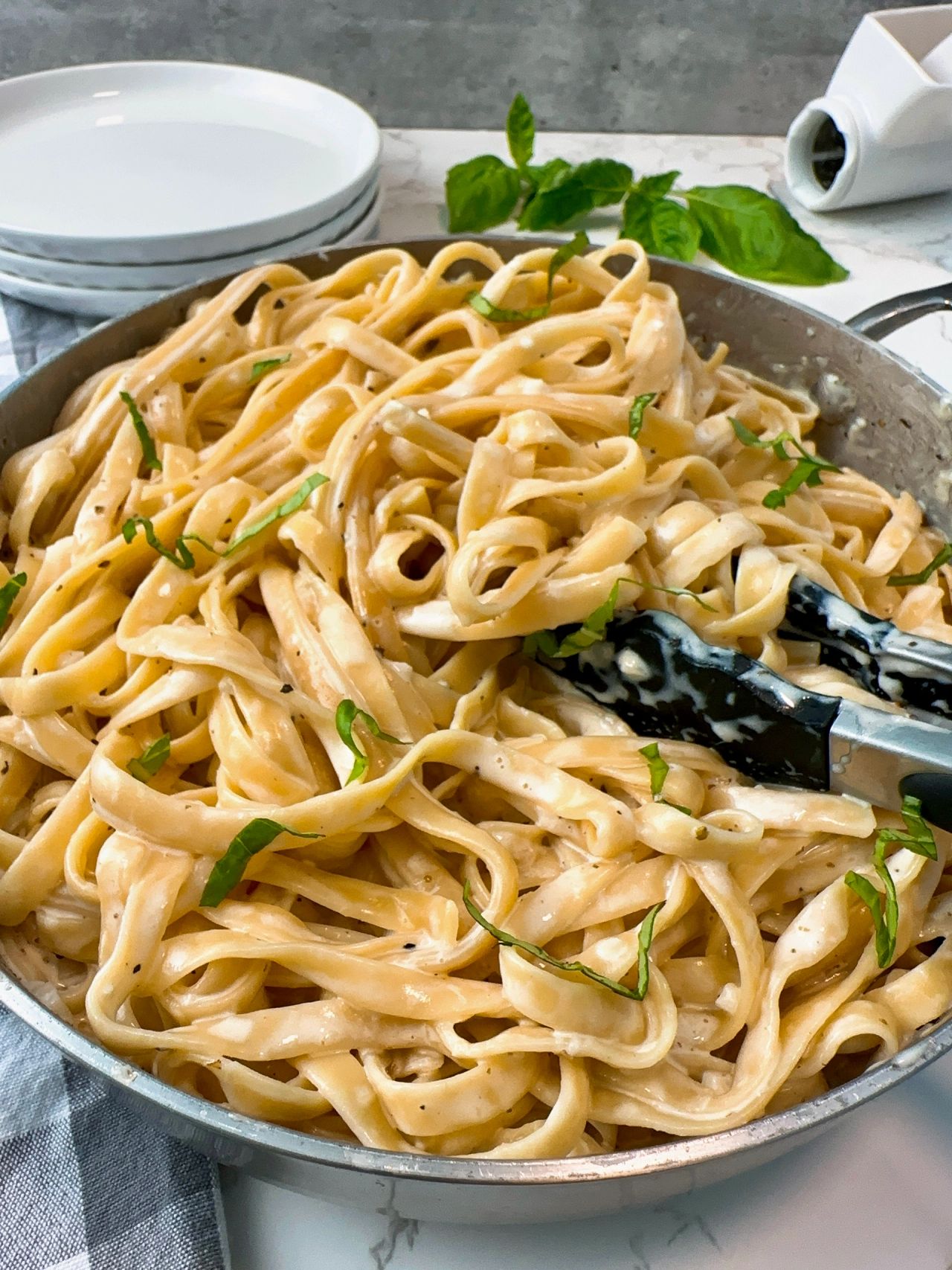
Americanized Alfredo sauce! Alfredo’s original recipe consisted of pasta, butter, and parmesan cheese. These days, most recipes (especially in the U.S.), call for heavy cream, an addition that produces a velvety consistency and stretches the sauce. And while cream is a major component, Alfredo sauce is more than a white cream sauce, it’s a marriage of heavy cream, butter, parmesan cheese, Italian seasoning, and garlic. And unlike traditional white cream sauce, Alfredo sauce doesn’t start with a butter-flour roux, so it’s naturally gluten-free. For a completely gluten-free meal, choose gluten-free noodles.
- Use heavy cream! Stick with full-fat heavy cream (also called whipping cream) if possible. Classic fettuccine Alfredo is rich and creamy, so using full-fat ingredients is ideal. If you would rather substitute half & half or milk, note that your sauce will be lighter and thinner. When using half & half or milk, I suggest whisking 2 tablespoons of flour into the cold dairy before adding it to the pan with the butter; the flour will act as a thickener.
- Bring on the Butter! Both unsalted and salted butter work in this recipe. When using salted butter, omit adding salt when crafting the sauce and only add salt to taste when adjusting the seasoning (just before adding the cooked pasta).
- Use fresh garlic. I prefer fresh garlic for this recipe because the fresh minced cloves steep in the cream and add tremendous, fresh garlic flavor. If you’d rather use garlic powder, I suggest 3/4 teaspoon.
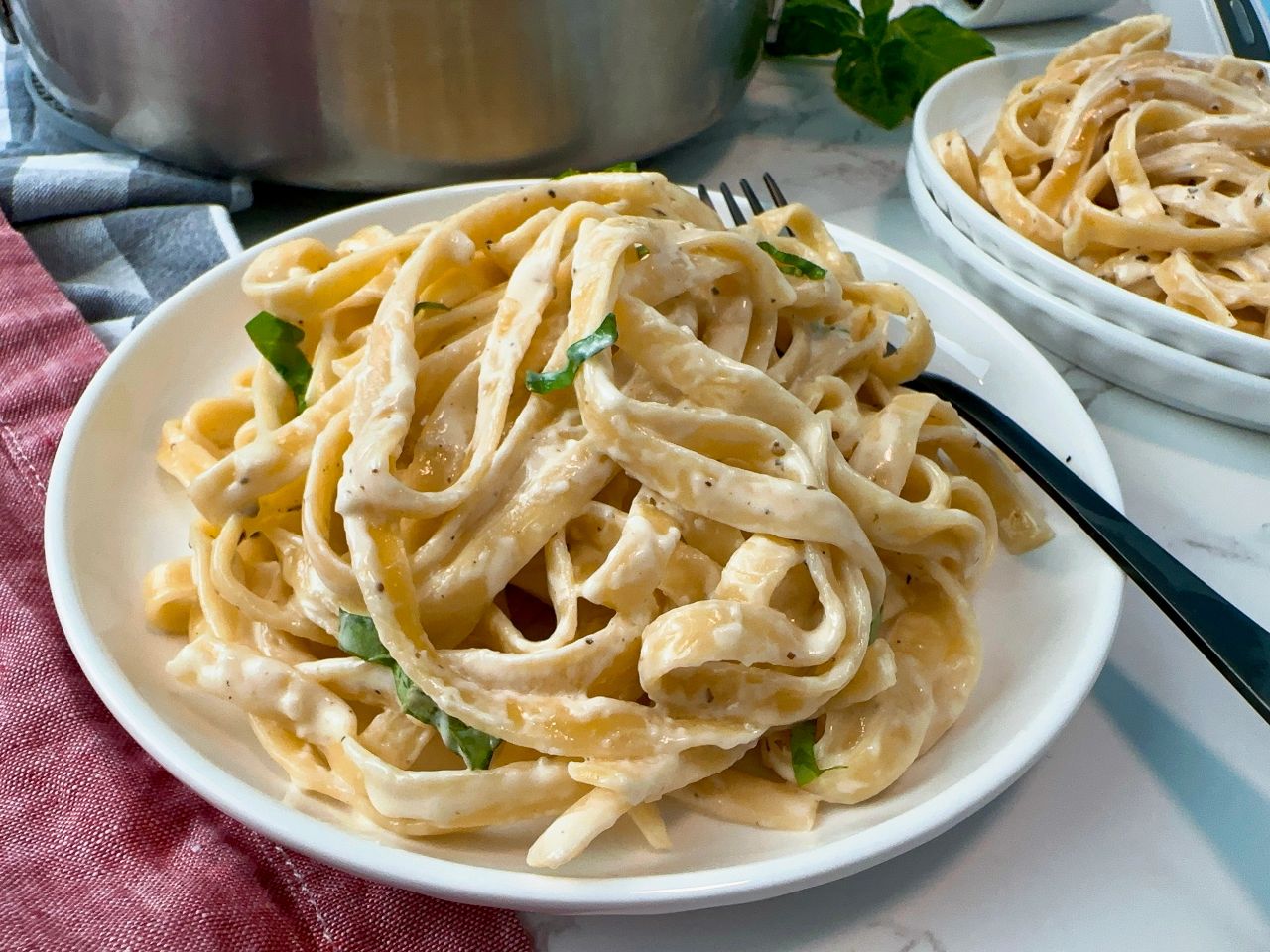
Use quality Parmesan cheese. Since parmesan cheese is one of the main flavor components of Alfredo sauce, I highly encourage you to use freshly grated. That means purchasing a block or a wedge of parmesan and grating it yourself. I don’t recommend “shaker” style grated cheese, or any other shelf-stable parmesan cheese because it doesn’t melt properly and can make your sauce grainy. Pro tip: Good-quality, fresh parmesan cheese doesn’t have to expensive. You can find affordable blocks and wedges of domestic parmesan cheese in your favorite grocery store.
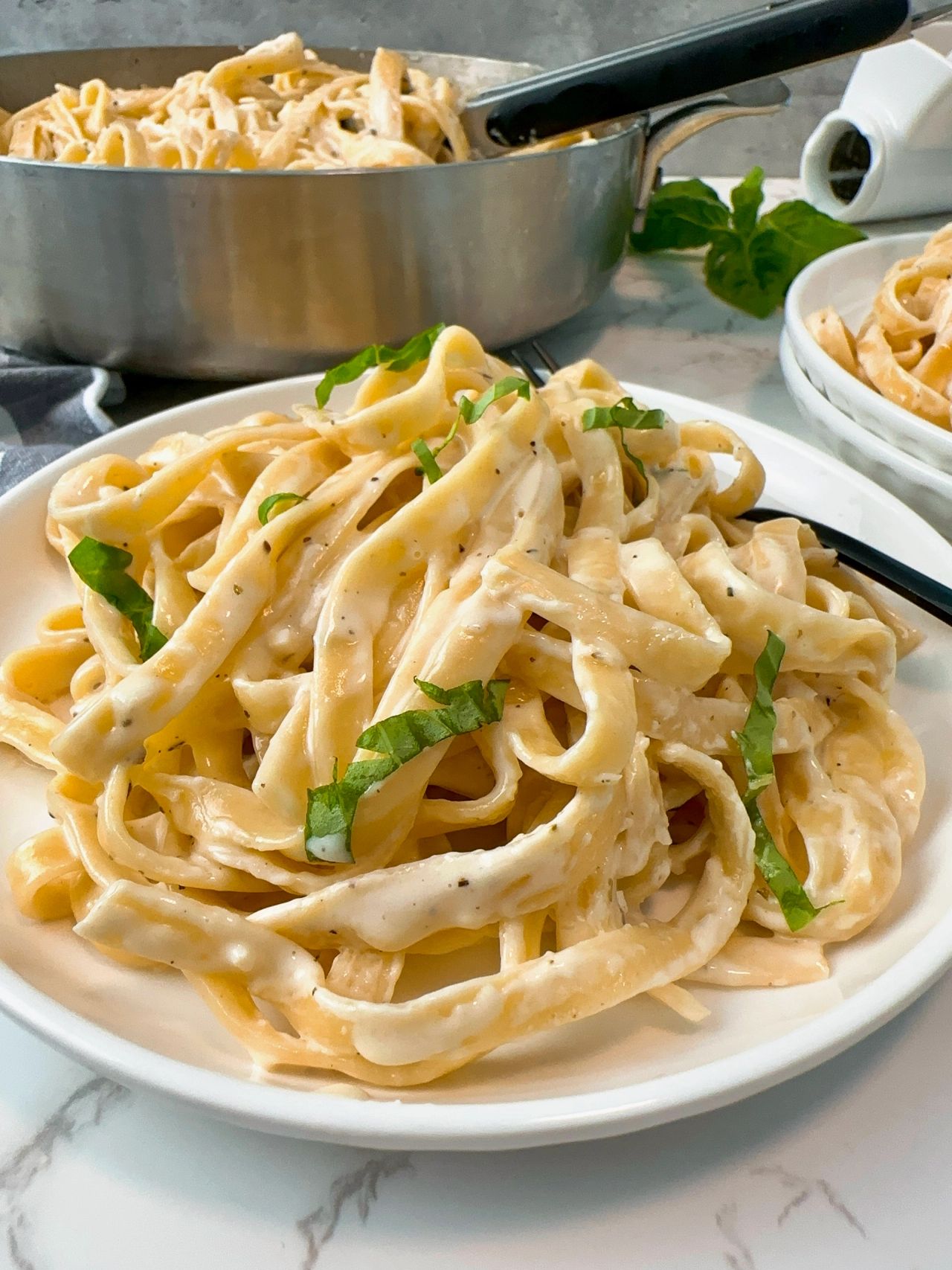
I added Italian Seasoning! While chef di Lelio didn’t add Italian seasoning to his wife’s dish, I find it adds a wonderful savory essence to the sauce. Italian seasoning is a blend of basil, oregano, thyme, marjoram, and rosemary (brands vary, but that’s the most common medley) and this commingling of dried herbs perfumes the sauce and enriches the entire dish.
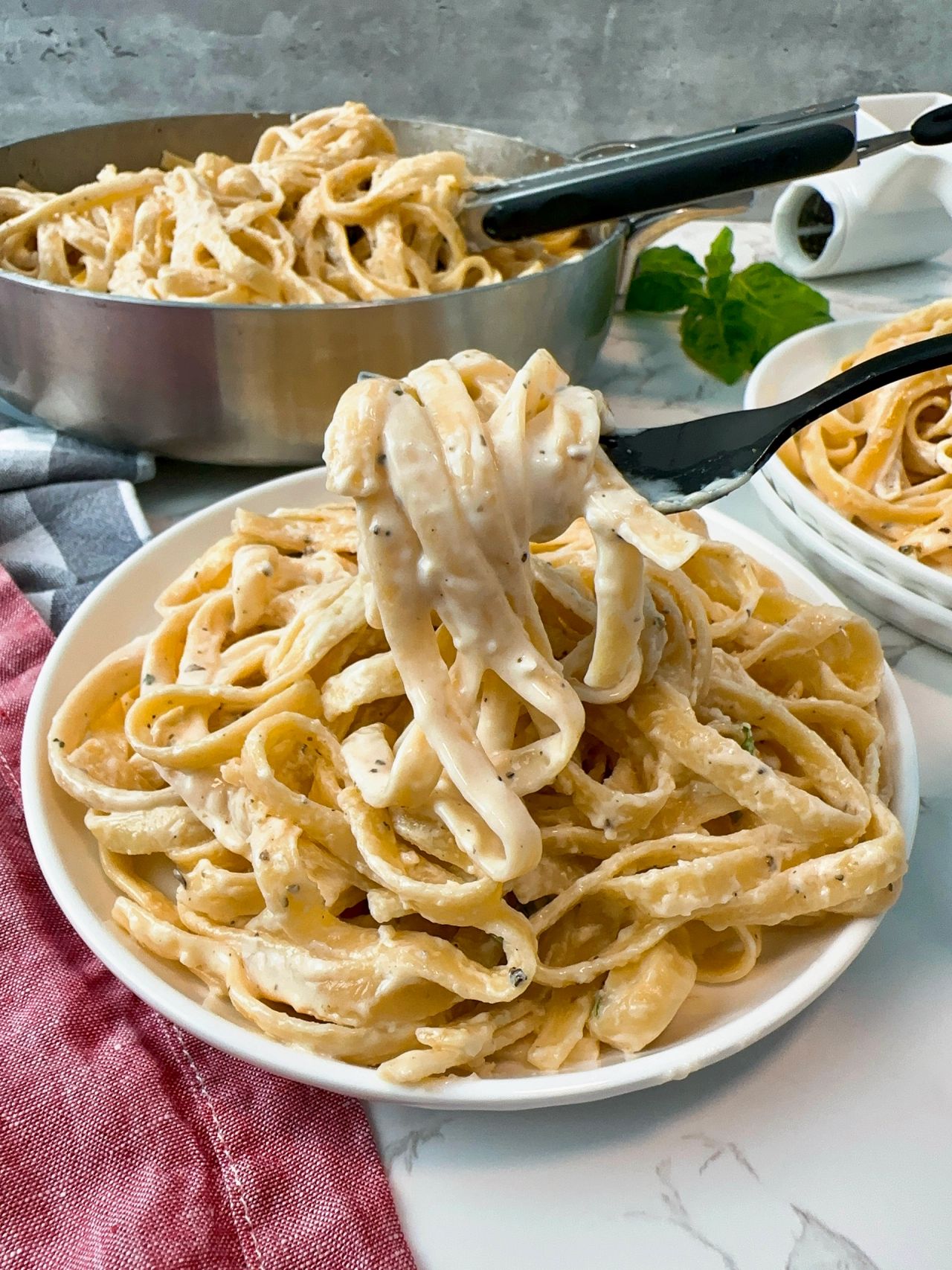
Tips for success
- Never overheat your Alfredo sauce; build the sauce over low heat.
- Whisk the garlic and seasonings into the sauce. Whisking constantly for one minute will allow the garlic and herbs to cook and steep flavor into the cream and butter.
- When adding the parmesan cheese, use a whisk and cook just until the cheese melts and the sauce is smooth (this will prevent the sauce from separating). If you’re worried about overheating, remove the pan from the heat before adding the cheese (this will also prevent clumping).
- Reserve 1/2 cup of the pasta cooking water. You may not need it, but if you would like to thin your sauce before serving, add a little pasta water. Pasta water is rich and flavorful and will not dilute the dish.
- Note that Alfredo sauce thickens as it sits, so serve your fettuccine Alfredo as soon as possible.
- Store leftover Alfredo sauce, and/or fettuccine Alfredo in an airtight container in the refrigerator for up to 5 days.
- When reheating leftovers, reheat in a large saucepan or skillet over low heat. I do not recommend the microwave; reheating in the microwave can create an oily, separated sauce.
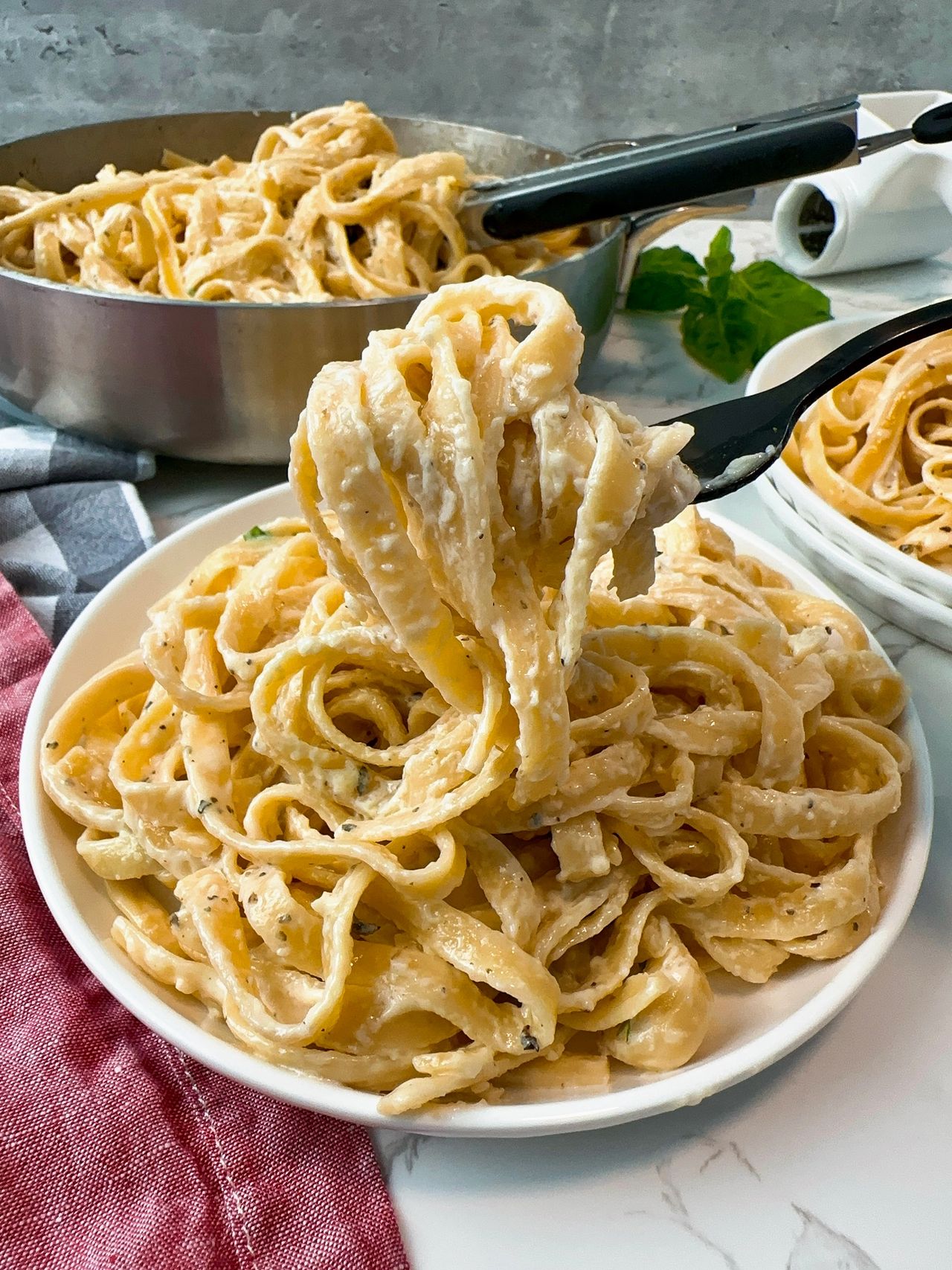
Fettuccine Alfredo

Ingredients
- 1 pound fettuccine, or pasta of choice
- 1 1/2 cups heavy cream
- 1/2 cup butter, cut up
- 2 teaspoons minced fresh garlic
- 1 teaspoon Italian seasoning
- Salt and freshly ground black pepper
- 2 cups freshly grated parmesan cheese
- Fresh basil for serving, optional
Instructions
- Cook the fettuccine according to the package directions. Drain, reserving 1/2 cup of the pasta water, and cover with foil to keep warm.
- Meanwhile, combine the cream and butter in a large skillet or saucepan. Set the pan over low heat and bring to a simmer. Simmer for 2 minutes.
- Whisk in the garlic, Italian seasoning, 1/2 teaspoon salt (unless you’re using salted butter), and 1/4 teaspoon black pepper. Simmer for 1 minute, whisking constantly, until the garlic and herbs are fragrant.
- Whisk in the cheese and stir until the cheese melts and the mixture is smooth. If you’re concerned about the heat, remove the pan from the heat before whisking in the cheese. Taste the sauce and season with salt and black pepper if desired.
- Add the fettuccine and toss to coat. If necessary, add some reserved pasta water to thin the sauce.
- Garnish with basil, if using, and serve.